
How Cast Iron Descaling Restores Flow Without Damaging Pipes
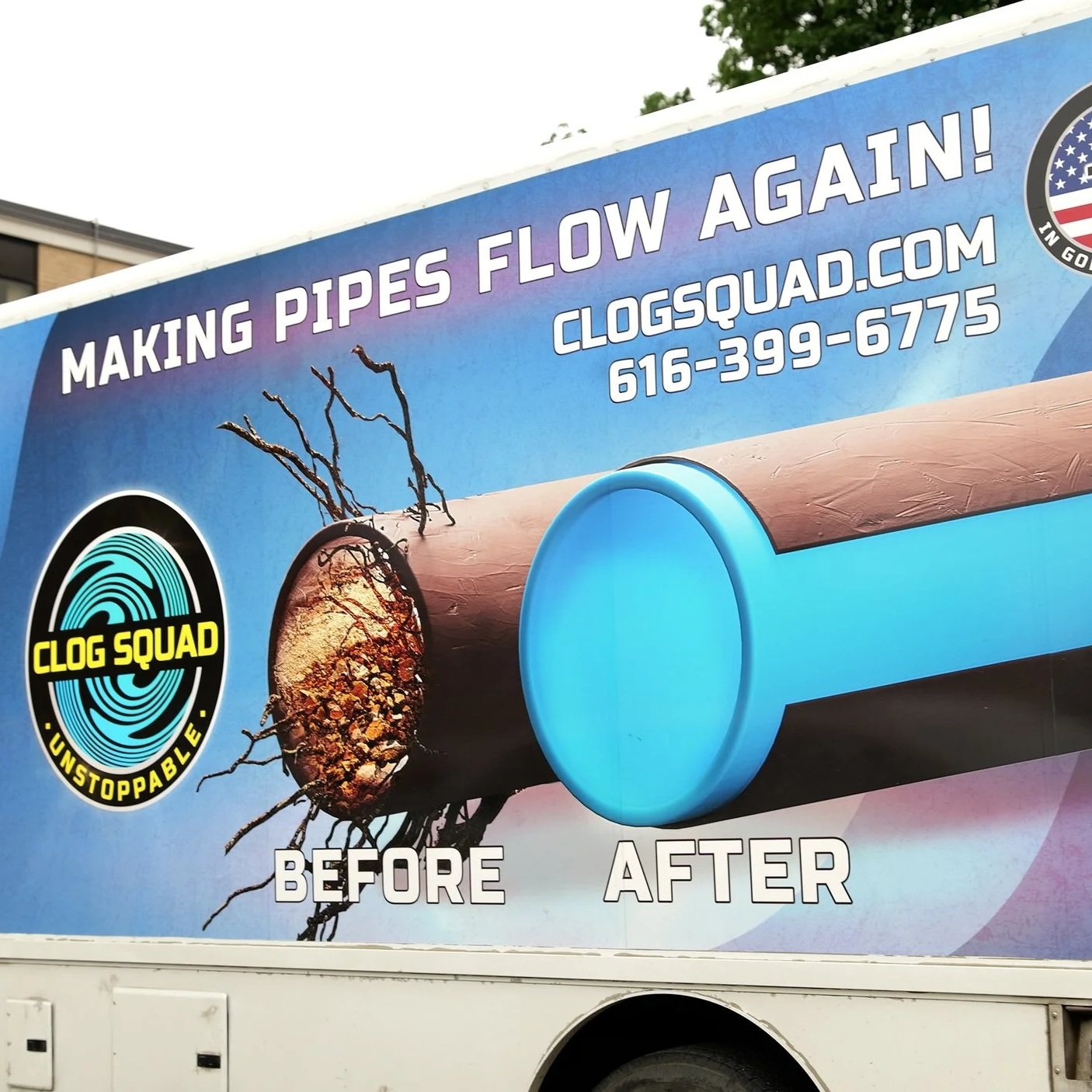
Cast iron descaling focuses on that internal problem rather than assuming the pipe has reached the end of its life.
Cast iron pipes occupy a strange space in plumbing conversations. They are often described as old, failing, or obsolete, yet many homes and buildings still rely on them daily without incident. The real problem with cast iron rarely starts with collapse or cracking. It starts quietly on the inside. Years of use allow corrosion, scale, and mineral deposits to accumulate along the pipe walls, slowly narrowing the passage where wastewater is supposed to move freely. Flow becomes sluggish, clogs become more frequent, and the system feels unpredictable, even though the pipe itself may still be structurally sound.
Cast iron descaling focuses on that internal problem rather than assuming the pipe has reached the end of its life. Instead of removing the pipe, descaling removes what does not belong inside it. The process restores usable diameter, smooths interior surfaces, and improves flow without compromising the pipe's strength. When done correctly, descaling respects the material rather than fighting it. Understanding how and why it works helps property owners make better decisions about maintenance, restoration, and replacement timelines.
Why Cast Iron Pipes Lose Flow Long Before They Fail Structurally
Cast iron deteriorates from the inside out. Wastewater introduces oxygen, minerals, and organic material into the system. Over time, these elements interact with the iron surface, creating corrosion and scale. This process does not happen evenly. Some sections develop thick deposits while others remain relatively clear, depending on flow patterns, slope, and usage.
As buildup accumulates, the effective diameter of the pipe shrinks. Water has less room to move, which increases velocity in restricted areas and creates turbulence. That turbulence causes debris to settle and stick, accelerating the problem. Flow issues appear even though the pipe wall itself may still be thick and strong. Many cast iron systems labeled as failing are actually suffering from internal restrictions rather than structural collapse, which is why descaling can be so effective.
What Scale And Corrosion Look Like Inside Cast Iron Pipes
Internal cast iron buildup is rarely smooth or uniform. Corrosion often forms jagged, rock-like protrusions known as tuberculation. These formations extend into the flow path, creating choke points that snag debris. Mineral scale hardens over time, bonding tightly to the pipe surface and resisting simple flushing.
Grease compounds the issue by coating these rough surfaces. Once grease adheres to scale or corrosion, it creates a sticky environment that traps paper, food particles, and sediment. The pipe interior becomes layered with different materials, each reinforcing the next. Camera inspections often reveal pipes that appear almost unrecognizable compared to their original condition. Descaling targets these layers directly, removing them to expose the pipe wall beneath.
Why Snaking And Basic Cleaning Do Not Solve Cast Iron Flow Problems
Mechanical snaking focuses on clearing a path rather than restoring the pipe. The cable moves through the center of the line, punching through obstructions so water can pass. While this may relieve an immediate backup, it leaves the majority of scale and corrosion untouched.
Because the pipe walls remain rough and narrowed, debris quickly reaccumulates. Many property owners experience a frustrating cycle where drains improve briefly after service, only to slow down again weeks later. This pattern often leads to the assumption that cast iron pipes are beyond saving. In reality, the wrong cleaning method is being applied to the wrong problem. Descaling works on the surfaces that cause repeated failures, not just the symptom at the center of the pipe.
How Cast Iron Descaling Works Without Harming Pipe Walls
Descaling uses controlled mechanical action to remove buildup while preserving the pipe's healthy material. Specialized tools are designed to break away corrosion and scale without grinding into solid iron. The focus is on removing material that has formed on top of the pipe wall, not the wall itself.
Tool selection and speed control matter. Aggressive cutting heads or excessive force can damage pipes if used improperly. Proper descaling relies on matching the method to the pipe's condition, thickness, and layout. When done correctly, the process reveals a smoother, intact pipe surface rather than thinning or weakening it. The goal is restoration, not reduction.
Why Descaling Targets The Entire Pipe Interior
Flow problems rarely originate in a single spot. Scale and corrosion develop along the entire length of the pipe, especially in horizontal runs and low-slope sections. Clearing only one area leaves other restrictions in place, limiting overall improvement.
Descaling addresses the full circumference of the pipe wall. Removing buildup evenly restores usable diameter throughout the line. Water moves more predictably, pressure equalizes, and debris is less likely to settle. This comprehensive approach distinguishes descaling from spot treatments and explains why results last longer when the entire interior is addressed.
How Restored Pipe Diameter Improves System Performance
Pipe diameter directly affects how wastewater behaves. Narrowed pipes increase velocity, which can sound beneficial but actually creates turbulence. Turbulent flow encourages debris to drop out of suspension, especially at bends and transitions.
When descaling restores diameter, flow slows to its intended rate and becomes smoother. Solids stay suspended longer and travel farther before settling. Fixtures drain more consistently, backups become less frequent, and the system feels stable rather than temperamental. These improvements occur without changing the pipe itself, only by removing what should not be there.
Why Descaling Reduces Stress On Aging Cast Iron Systems
Restricted pipes experience uneven pressure. When flow meets resistance, pressure builds upstream and drops suddenly downstream. These fluctuations strain joints and bends, especially in older systems where materials have already endured decades of use.
Descaling reduces these pressure imbalances by removing internal restrictions. Water moves evenly, reducing shock loads and localized stress. Over time, this gentler operating environment slows further deterioration and supports longer service life. Descaling does not make cast iron new again, but it helps it operate within safer, more predictable limits.
How Descaling Improves The Accuracy Of Inspections
Dirty pipes distort inspection results. Cameras struggle to distinguish between corrosion, scale, and structural defects when buildup covers the walls. What appears to be severe damage may simply be heavy residue.
After descaling, inspections show the true condition of the pipe. Cracks, thinning, and joint issues are clearly evident. In many cases, owners discover that their pipes are structurally sound once the buildup is removed. This clarity supports better decisions about lining, replacement, or continued maintenance. Descaling transforms inspections from speculative to reliable.
Why Descaling Often Delays Or Eliminates Replacement
Replacement is sometimes necessary, but it is often recommended prematurely. Many cast iron pipes have plenty of structural life left once internal buildup is addressed. Descaling restores performance and buys time, allowing owners to plan future upgrades rather than reacting to emergencies.
For buildings with difficult access, slab foundations, or finished spaces, avoiding replacement has significant benefits. Descaling restores function without opening walls or floors. The system becomes reliable again without the disruption and cost associated with full replacement. This option is especially important in older homes and commercial properties, where preservation and continuity are priorities.
How Descaling Works With Hydro Jetting
Descaling and hydro jetting serve different but complementary roles. Descaling removes hardened scale and corrosion that water pressure alone cannot eliminate. Hydro jetting flushes loosened material out of the system and cleans remaining residue.
Using jetting after descaling clears debris thoroughly and leaves the pipe interior smoother. This combination improves results and reduces the chance of downstream accumulation. Together, these methods restore both surface condition and cleanliness, supporting long-term performance.
Why Descaling Is Not The Same As Pipe Grinding
Grinding implies removing pipe material. Proper descaling does not. The distinction lies in control and intent. Descaling tools are designed to target buildup, not solid iron. Pressure, speed, and head type are selected to avoid excessive material removal.
This controlled approach protects pipe integrity while achieving meaningful cleaning. Aggressive methods that remove pipe material indiscriminately shorten system life. Descaling respects the remaining structure and focuses on restoration rather than destruction.
How Descaling Addresses Recurring Odors And Slow Drains
Rough, dirty pipe walls trap organic material that decomposes over time. This process produces odors that travel back through drains, even when no backup is present. Slow drains often accompany these smells, as buildup interferes with normal flow.
Descaling removes the surfaces that harbor organic residue. With fewer places for material to cling, pipes stay cleaner between uses. Odors diminish as the source material is removed, not masked. Drains move water more efficiently, reducing stagnant conditions that can cause smells.
Why Older Homes Benefit Disproportionately From Descaling
Older homes often have thicker cast-iron pipes than modern ones. While these pipes develop internal corrosion, their walls may remain strong for decades. Descaling takes advantage of this durability by removing internal deterioration while preserving the robust outer shell.
Many older systems suffer from years of deferred maintenance rather than irreparable damage. Descaling addresses this neglect directly, restoring function without altering the home's character or structure. For owners of historic or legacy properties, this approach aligns practicality with preservation.
How Descaling Fits Into Preventative Maintenance Strategies
Waiting for backups invites damage. Preventative maintenance focuses on keeping systems clean before problems escalate. Descaling plays a key role in this strategy for cast iron systems.
Removing buildup periodically prevents severe restriction and reduces stress on the pipe. Maintenance intervals extend, emergency calls decrease, and inspections remain accurate. Over time, the system becomes predictable rather than reactive. Descaling supports long-term planning instead of crisis management.
Why Descaling Is A Restoration, Not A Temporary Fix
Temporary fixes restore flow briefly without changing underlying conditions. Descaling changes those conditions by altering the interior surface of the pipe. Removing scale and corrosion produces lasting improvements in flow behavior and debris transport.
While cast iron will continue to age, descaling resets the clock in a meaningful way. The pipe operates more like it did earlier in its life, with smoother surfaces and greater capacity. This restoration provides real value, not just short-term relief.
How Owners Should Evaluate Descaling Versus Replacement
The decision depends on structure, not age alone. Pipes with cracks, collapses, or severe wall loss require replacement. Pipes with heavy internal buildup but intact walls often respond well to descaling.
Camera inspections guide this decision. Seeing the pipe after cleaning reveals whether restoration is viable. Owners who understand this process avoid unnecessary work and focus resources where they matter most. Descaling offers a middle ground between neglect and demolition.
Why Proper Descaling Requires Experience And Precision
Cast iron varies in thickness, condition, and layout. Applying the same approach to every pipe invites problems. Skilled technicians adjust tools and techniques based on what they see and feel inside the line.
This precision separates effective descaling from risky practices. The goal remains consistent: to restore flow without harming the pipe. Experience allows that balance to be maintained, protecting both performance and structure.
How Restored Flow Changes Daily Use Of Plumbing Systems
After descaling, plumbing systems behave differently. Fixtures drain evenly. Gurgling subsides. Backups become rare. Owners stop thinking about their drains because they work as expected.
This reliability affects more than convenience. Reduced stress on pipes lowers the risk of leaks and failures. Appliances operate more efficiently. Maintenance becomes planned rather than reactive. These changes improve quality of life and reduce long-term costs without altering the building itself.
Hard Water Problems? Act Now to Protect Your Pipes
How quickly do mineral deposits build up inside pipes?
The rate depends on water hardness and usage, but noticeable flow reductions often occur over decades.
Can descaling completely restore the pipe diameter?
Yes, descaling can remove most hardened deposits, significantly improving flow without damaging pipes.
Do mineral deposits affect all pipe types?
Metal pipes such as galvanized steel, copper, and cast iron are most affected, while PVC is less prone to scaling.
How often should pipes be descaled in hard water areas?
Every three to five years is typical, but hard water may require more frequent maintenance.
Does descaling prevent mineral deposits from returning?
It slows reaccumulation and makes future buildup easier to remove, but does not eliminate the natural process.
Clog Squad offers one-stop solution for professional drain cleaning, including hydro jetting, pipe lining, pipe milling, and camera inspections. Our experienced team services advanced equipment with a focus on removing stubborn clogs, restoring proper flow, and ensuring long-term performance. Whether you need emergency drain clearing or a full pipe restoration, we provide trusted workmanship and over 20 years of expertise. Refresh your drainage system today and enjoy reliable, hassle-free performance.